

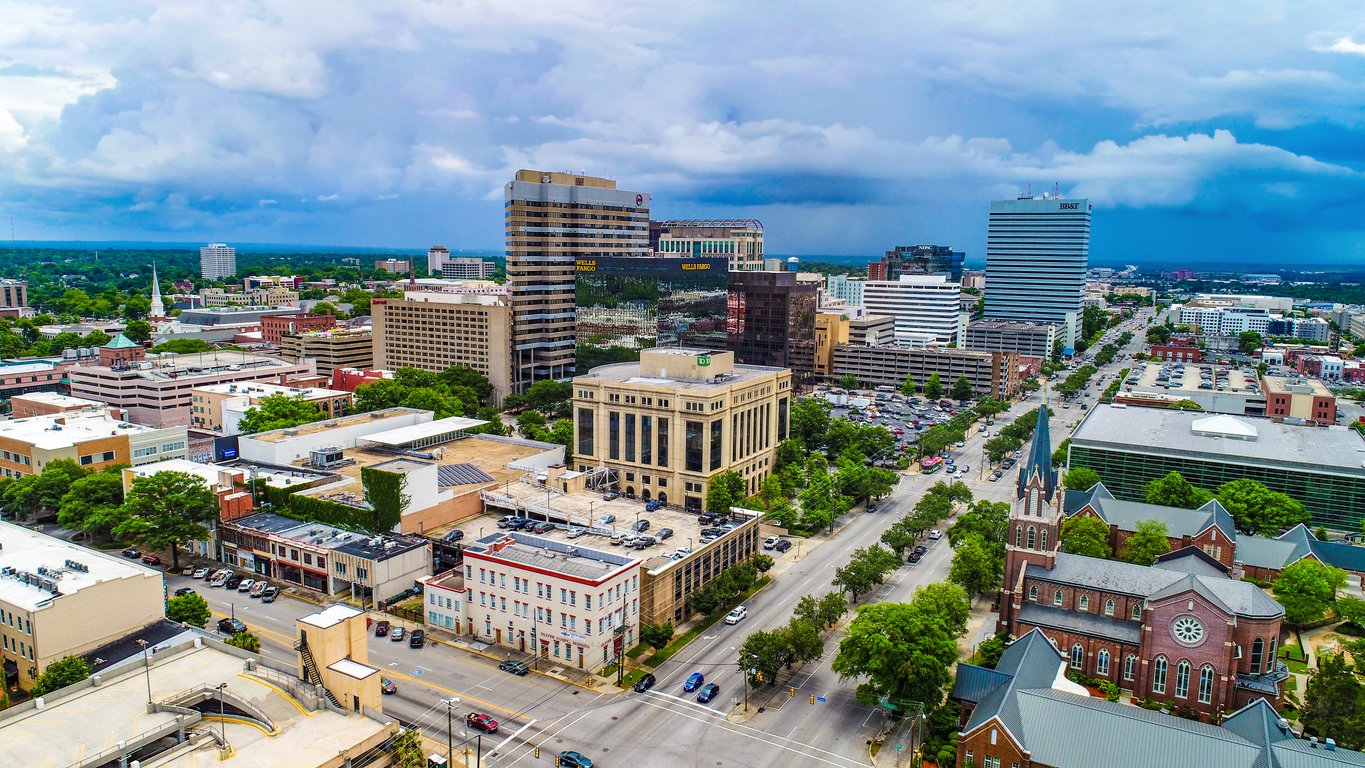
When conducting a reserve studies Columbia, careful consideration of the strain from extreme heat cycles, intense sun exposure, unique sub-surface geology, and the high risk of humidity-related deterioration is essential. Structures must be prepared for the summer heat, which accelerates wear on flat roofs, paving, and sealant joints. The prevalent red clay soil can expand and contract significantly, stressing foundations and concrete. These interior conditions create unique maintenance and replacement demands for HVAC and envelope systems, requiring specialized local insight for accurate reserve projections.

Extreme Heat Strain – The city's intense summer heat accelerates the breakdown of roofing materials (TPO, asphalt), asphalt parking lots, and exterior sealants, requiring higher, more frequent replacement budgets.
Clay Soil Foundation Risk – The expansive Midlands red clay soil can lead to significant foundation stress, requiring reserve funds to budget for potential foundation movement, drainage correction, and concrete slab repair.
High UV Exposure – Intense sun exposure in the interior of the state leads to rapid fading and deterioration of exterior paint, vinyl siding, and playground equipment, necessitating a shorter replacement cycle.
Water Management (Non-Coastal Flooding) – Budgeting for effective stormwater management, gutters, and drainage systems is crucial to prevent basement and foundation water intrusion, which is a key risk in the Midlands.
HVAC Capacity Strain – Air conditioning systems run nearly year-round to combat both heat and humidity, drastically reducing their expected lifespan and requiring higher reserve allocations for more frequent replacement.
Our engineers are well-versed in the unique challenges and requirements of reserve studies in Columbia, including managing extreme heat cycles, addressing clay soil foundation issues, budgeting for high UV strain, and ensuring efficient maintenance of building systems in the Midlands' climate.

CEO & Founder - Sr. Engineering Consultant
Areas of expertise: Reserve Studies, Mechanical Engineering, New Product Development
B.S. Mechanical Engineering Marquette University. 18 years of Reserve Study Experience.


Can reserve studies Columbia be used during community transitions?
Yes. Reserve studies Columbia can be especially helpful when a community transitions from developer control to homeowner control, providing a clear understanding of future capital obligations and reserve funding needs.
How do reserve studies Columbia help associations prepare for large replacement projects?
Reserve studies Columbia create a long-term schedule for major projects, allowing associations to spread reserve contributions over time instead of facing sudden, large expenses when components reach the end of their useful life.
What makes professional reserve studies Columbia more reliable than internal estimates?
Professional reserve studies Columbia are completed by experienced specialists who evaluate building components objectively, use industry-recognized methodologies, and develop funding recommendations based on comprehensive inspections and cost analysis.

%20(2).png)

